Can crepe chiffon be treated with a slight water-repellent, oil-repellent, or stain-resistant finish?
Overview of Crepe Chiffon and Its Compatibility With Functional Finishes
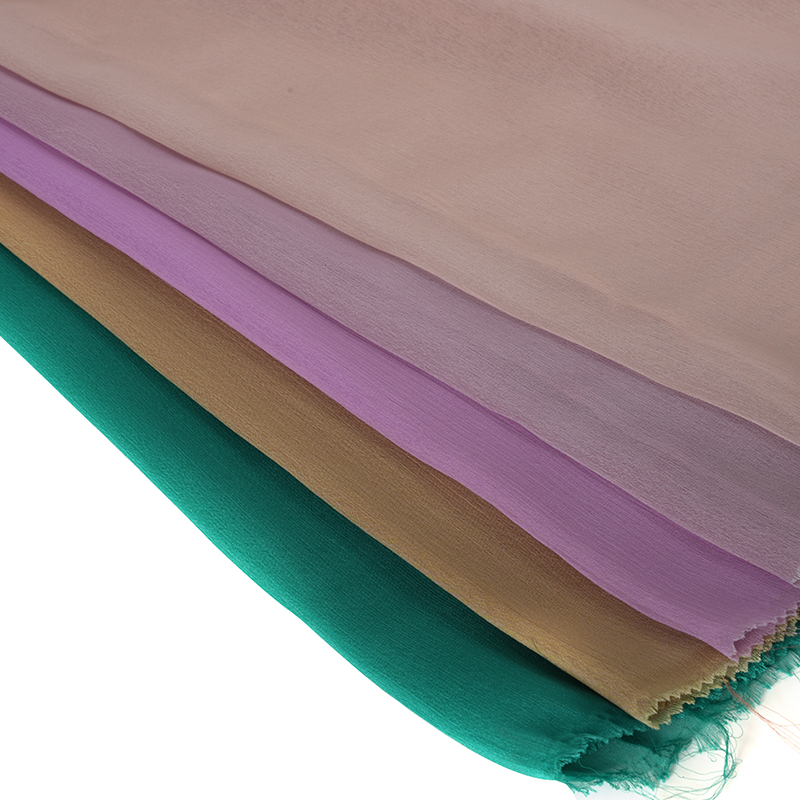
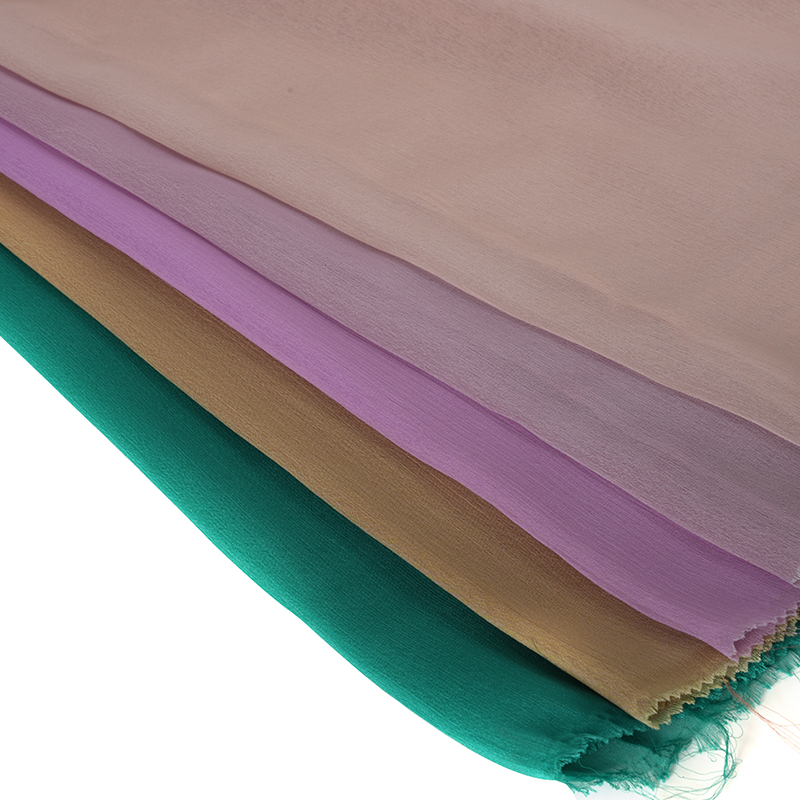
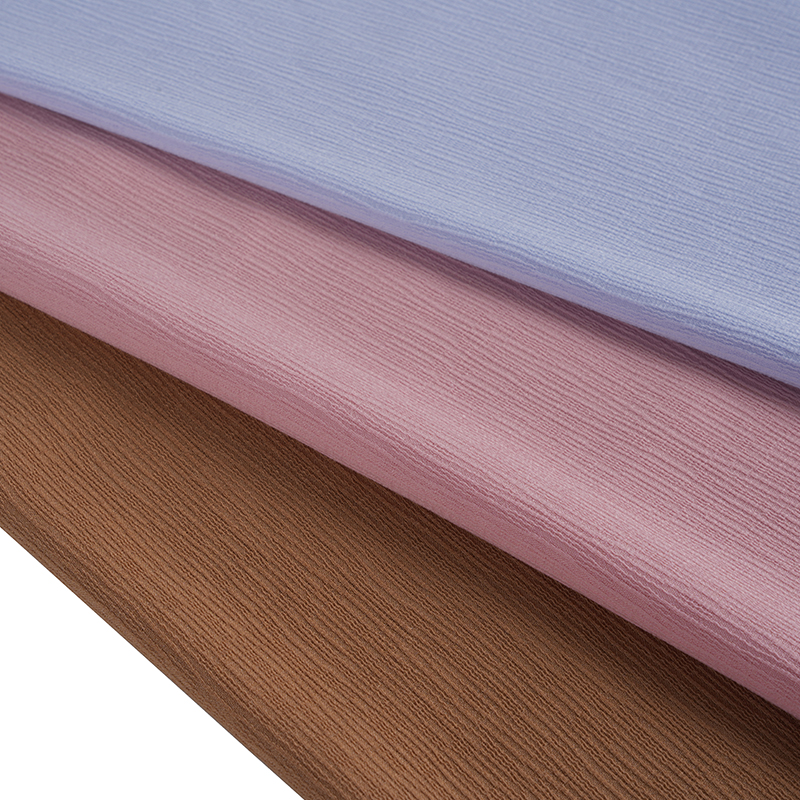
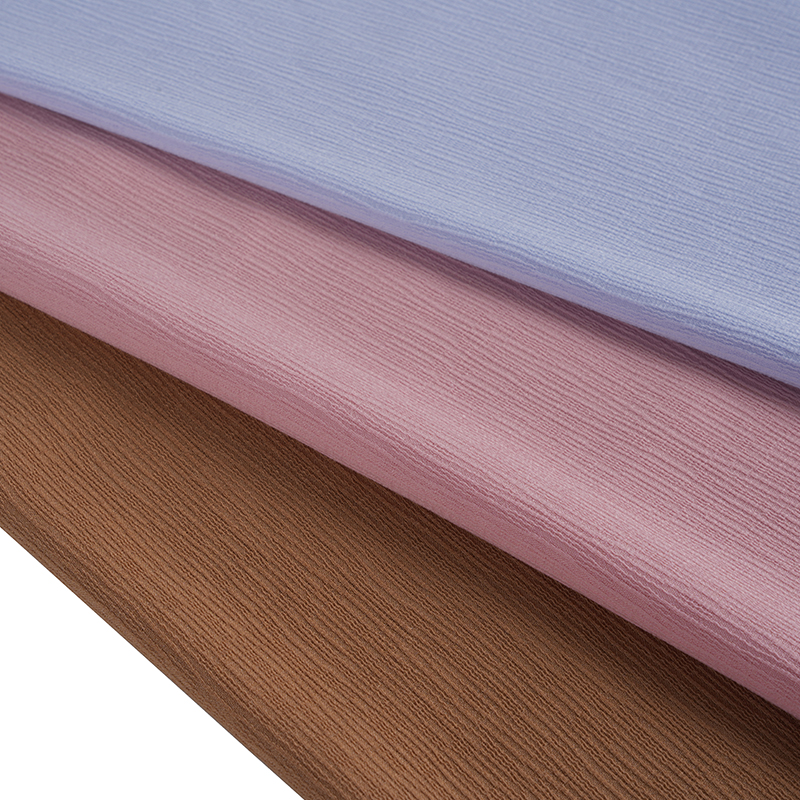
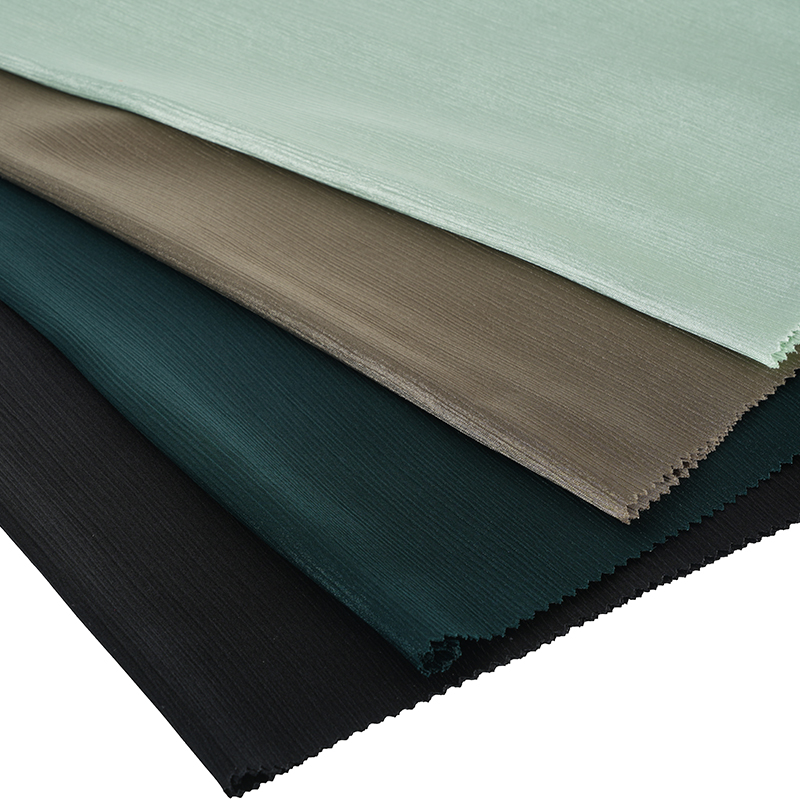
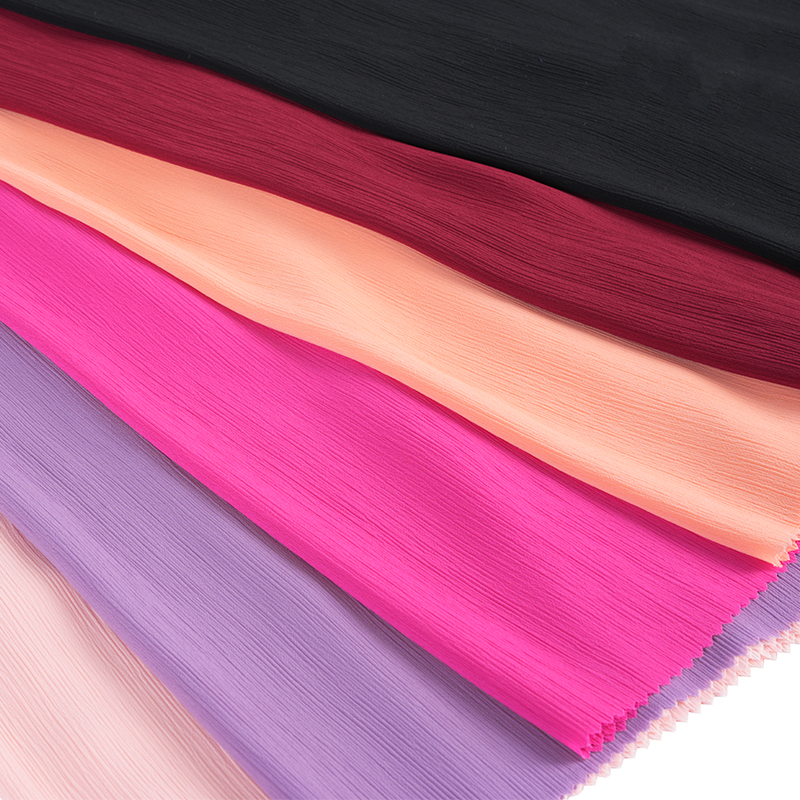
Crepe chiffon is a lightweight woven fabric known for its slightly textured surface, soft drape, and delicate hand feel. Unlike plain chiffon, which typically has a smoother surface, crepe chiffon incorporates twisted yarns that create a fine granular texture. This construction allows the fabric to maintain fluidity while presenting a subtle matte appearance. With its breathable structure, moderate transparency, and elegant movement, crepe chiffon is widely used in women's apparel, scarves, evening wear, and fashion accessories.
When discussing whether crepe chiffon can be treated with slight water-repellent, oil-repellent, or stain-resistant finishes, it is necessary to examine the fiber content, yarn structure, density, and finishing compatibility. As Yongjun Textile specializes in woven and knitted linings made from polyester, polyester-cotton, rayon, nylon, acetate, and other materials, its technical resources and finishing experience provide a strong foundation for exploring such functional treatments. The company’s expertise in glazing, printing, coating, yarn-dyeing, embossing, hot stamping, burnt-out, and composite processing techniques indicates a deep familiarity with how surface chemistry interacts with lightweight fabrics like crepe chiffon.
Functional finishes such as water repellency, oil repellency, or stain resistance are typically achieved through fluorine-free, silicone-based, or resin-based agents. These agents form a micro-coating on the fiber surface without significantly changing the fabric’s thickness or hand feel. Whether crepe chiffon can adopt these finishes depends on whether the treatment can adhere to the fine, twisted filament yarns while maintaining breathability and drape. From an industrial perspective, slight functional finishes are generally feasible as long as the finishing chemicals are controlled to remain lightweight and evenly distributed. Crepe chiffon’s unique texture may even help reduce the visual impact of any minor stiffness resulting from the finishing process, making it an adaptable substrate for functional upgrades.
Characteristics of Crepe Chiffon That Influence Water-Repellent and Oil-Repellent Finishing
Crepe chiffon is usually made from polyester, nylon, rayon, or blended fibers, and polyester is one of the most commonly used materials due to its dimensional stability and durability. Polyester’s smooth molecular structure and hydrophobic nature make it compatible with many repellent or stain-resistant treatments. When properly applied, these finishes can enhance the natural properties of the fiber without interfering with the delicate construction of the fabric.
The twisted yarns used to create the crepe effect play a significant role in finishing behavior. Because the yarns are torsioned, the surface of the fabric becomes slightly uneven, increasing the surface area available for chemical adherence. This textured microstructure helps the finishing agent form a more stable layer, as the agent can settle between the fine ridges and valleys of the yarn. At the same time, the lightweight and open weave of crepe chiffon requires careful process control to prevent excessive stiffness or uneven distribution.
Breathability is another factor that influences finishing compatibility. Crepe chiffon relies on its porous structure to achieve airflow and moisture permeability. When applying water-repellent or oil-repellent agents, maintaining this permeability is essential. Finishes must be thin and uniform, allowing moisture vapor to pass while helping water droplets bead on the surface. Many of the advanced finishing technologies used in the modern textile industry, such as nano-scale dispersions and environmentally considerate formulations, are designed to offer functionality without blocking the inter-fiber gaps.
In the context of Yongjun Textile’s production capabilities, the fabric’s characteristics align well with the company’s finishing expertise. Techniques such as coating, composite treatment, and functional dyeing enable the application of controlled finishes without compromising the natural qualities of crepe chiffon. The company’s long-term focus on accuracy, speed, and continuous refinement further supports the consistent execution of these processes.
Water-Repellent Finishes on Crepe Chiffon
Water-repellent finishing aims to increase the fabric’s resistance to liquid water while keeping its breathability intact. Treated fabrics allow water droplets to bead and roll off instead of being absorbed. For crepe chiffon, a slight water-repellent finish is generally feasible using fluorine-free or silicone-based treatments.
Fluorine-free agents provide surface tension modification by creating a thin hydrophobic layer. These agents adhere to the textile fibers through weak molecular interactions without forming a thick coating. Silicone-based repellents offer flexible film-forming characteristics, which is suitable for delicate fabrics because they do not create a rigid surface. When used in a low-add-on process, they maintain drape and softness.
For lightweight fabrics like crepe chiffon, the finishing process typically involves padding, dipping, or spraying methods. Each method requires precision to prevent uneven application. A padding process with low pressure is often preferred because it ensures consistent penetration into the fiber surface while preventing excessive chemical uptake. After application, a controlled drying and curing phase helps stabilize the finish.
Stain-Resistant Finishes and Their Effectiveness on Crepe Chiffon
Stain-resistant finishing enhances the ease of removing dirt, liquids, and stains during laundering or spot cleaning. Unlike water-repellent treatments that focus on liquid behavior, stain-resistant finishes reduce the ability of substances to bond with the fiber surface. These finishes rely on forming a molecular barrier that prevents deep penetration of contaminants.
Crepe chiffon can be treated with a mild stain-resistant finish, especially when the main fiber is polyester. Polyester’s inherent resistance to hydrophilic staining makes it a suitable base for such treatments. When combined with stain-resistant chemistry, the fabric gains additional protection, making everyday maintenance easier for end users.
A balanced stain-resistant treatment must not obstruct airflow. Because crepe chiffon depends on its airy structure, chemical formulations designed for lightweight textiles are recommended. Many modern stain-resistant agents are engineered to be transparent, flexible, and compatible with fine denier yarns. With these formulations, it is possible to preserve the fabric’s fluid drape while introducing practical convenience.
Yongjun Textile’s ability to perform composite and coating processes ensures that stain-resistant treatments can be integrated into production workflows. By adjusting curing temperatures, chemical concentrations, and mechanical pressure, the company can offer stain-resistant crepe chiffon tailored for garments and fashion accessories.
How Treatments Affect the Drape, Softness, and Breathability of Crepe Chiffon
One of the primary concerns when applying functional finishes to crepe chiffon is maintaining its characteristic drape and softness. Because the fabric's appeal lies in its fluid movement and light touch, any noticeable change could affect product quality. Water-repellent, oil-repellent, and stain-resistant finishes must therefore be subtle and evenly spread across the textile surface.
If applied correctly, these finishes introduce only minimal changes to drape. The twisted yarns contributing to the crepe effect help disguise minor increases in stiffness, and the breathable open weave prevents the formation of heavy chemical layers. However, excessive application can reduce breathability or create a slightly waxy feel. Achieving optimal results requires precise chemical dosing and consistent curing conditions.
Environmental and Safety Considerations for Repellent Finishes on Crepe Chiffon
As global textile supply chains increasingly prioritize environmental responsibility, repellent finishes must meet regulatory expectations and consumer preferences. Modern water-repellent and stain-resistant agents are often fluorine-free, reducing concerns about chemical persistence. Silicone emulsions, polyurethane dispersions, and plant-derived repellents are frequently used alternatives.
For crepe chiffon, especially when used in garments that directly contact the skin, the finishing agents must be gentle and free from substances causing irritation. Polyesters and acetate-based chiffon typically respond well to these modern treatments, as they bond effectively without requiring aggressive chemical components.
Application Scenarios for Finished Crepe Chiffon Fabrics
Functional finishes broaden the application of crepe chiffon beyond traditional fashion uses. Water-repellent or stain-resistant chiffon is suitable for outdoor apparel, lightweight scarves, travel garments, or accessories that benefit from additional protection. Light oil-repellent treatments can be useful for garments exposed to cosmetics or daily wear.
For designers seeking fabrics with both aesthetic appeal and functional practicality, treated crepe chiffon offers flexibility. The fabric maintains its elegance while providing added convenience. With Yongjun Textile’s experience in diverse finishing techniques, customized functional chiffon fabrics can be developed for international fashion brands, garment makers, or specialty textile buyers.
Does crepe chiffon have additional functions such as flame retardancy, UV protection, or antistatic properties?
Understanding the Fundamental Characteristics of Crepe Chiffon
Crepe chiffon is a lightweight fabric commonly produced from polyester, silk, nylon, or blended fibers. The material is known for its soft drape, subtle texture, and semi-transparent aesthetic. Its delicate crinkled surface is achieved through high-twist yarns or chemical finishing processes, giving the fabric a fluid appearance favored in garments such as dresses, blouses, scarves, eveningwear, and decorative accessories. However, the basic nature of crepe chiffon does not inherently include functional properties like flame retardancy, UV protection, or antistatic performance. These functions depend on fiber selection, chemical finishing, or post-processing treatments. As companies like Yongjun Textile, which specializes in woven and knitted linings with dyeing, yarn-dyeing, coating, embossing, hot stamping, and composite technologies, continue refining textile processing techniques, crepe chiffon fabrics can be engineered to deliver additional performance suited for different application scenarios.
Whether Crepe Chiffon Possesses Flame-Retardant Properties in Its Natural State
In its natural untreated state, crepe chiffon made from polyester, nylon, silk, rayon, or acetate does not inherently offer flame-retardant functionality. Polyester and nylon melt and shrink away from flames but can still ignite under sufficient temperature, while silk and rayon burn steadily once exposed to fire. Acetate, although thermoplastic, also burns readily. Therefore, flame retardancy must be imparted through fiber modification or external treatments. The goal of flame-retardant enhancement is to slow down ignition, reduce flame spread, and minimize the risk of dripping or melting during exposure to heat. In many markets, flame-retardant chiffon is used for stage garments, decorative drapery, or environments requiring higher levels of fire safety. Textile enterprises capable of advanced finishing—such as Yongjun Textile, which works with diverse materials including polyester, rayon, cotton, and nylon—are positioned to offer fabrics treated with specialized FR chemicals or produced from inherently flame-retardant fibers.
Methods for Achieving Flame-Retardant Performance in Crepe Chiffon
Flame-retardant functionality in crepe chiffon is typically achieved through two main approaches: finishing treatments or fiber-level engineering. Finishing involves applying flame-retardant chemicals to the fabric after weaving. These chemicals, often based on phosphorus- or nitrogen-containing compounds for polyester or halogen-free systems for more environmentally conscious applications, form a protective char layer when heated, slowing down combustion. Fiber-level engineering, on the other hand, utilizes inherently flame-resistant materials such as modified polyester (FR polyester). These fibers incorporate a flame-retardant component during polymer synthesis, ensuring the property remains durable even after repeated laundering. While chiffon’s delicate surface can present challenges during FR finishing, textile manufacturers with experience in composite or coating processes can optimize the treatment to maintain the fabric’s softness and drape while improving its fire performance. This allows chiffon to be used in settings requiring both aesthetic qualities and basic safety enhancements.
Durability and Performance Considerations of Flame-Retardant Crepe Chiffon
The durability of flame-retardant chiffon depends on whether the treatment is applied at the fiber or fabric stage. Fiber-level FR properties typically remain stable through washing, exposure to light, or mechanical stress. Fabric-level FR finishes may gradually diminish over repeated laundering or aging unless treated with more stable formulations designed for long-term use. Some applications require compliance with specific fire safety standards, and the choice between permanent and semi-durable FR performance depends on the intended environment. For manufacturers such as Yongjun Textile, with its business philosophy centered on accuracy and continual improvement, understanding these performance considerations helps ensure that chiffon products meet customer requirements for both aesthetics and functional stability.
Understanding the UV Protection Potential of Crepe Chiffon
Standard crepe chiffon, especially when produced from lightweight and semi-transparent fibers, does not naturally offer high UV protection. The loose weave and translucent nature of chiffon allow a significant portion of UV rays to pass through the fabric. UV protection, quantified as UPF (Ultraviolet Protection Factor), is influenced by factors such as fiber type, yarn density, color, finishing agents, and fabric thickness. For example, polyester—one of the main materials used in crepe chiffon—absorbs a broader range of UV radiation compared to cotton or rayon, meaning polyester chiffon often performs better in UV shielding than silk or viscose chiffon. However, due to its openness and thin structure, additional treatments are commonly necessary to achieve meaningful UV-blocking levels.
Techniques for Enhancing the UV Protection of Crepe Chiffon
Various textile finishing methods can be used to improve the UV resistance of chiffon fabrics. UV-absorbing agents, nano-sized UV-blocking particles, or surface coatings can be applied to increase the fabric’s ability to block or scatter harmful rays. Darker dyeing, controlled yarn density, and composite layers also contribute to higher UPF values. For instance, utilizing composite processing, a technique Yongjun Textile already applies to many lining fabrics, can effectively enhance the UV-blocking effect without compromising comfort. The combination of high-twist yarn structures, coating films, or reflective finishes can result in chiffon with improved coverage, making it more appropriate for outdoor apparel or accessories that require additional sun protection.
Antistatic Properties of Standard Crepe Chiffon
Static electricity typically accumulates on fabrics with low moisture absorption, particularly synthetic fibers like polyester and nylon. Since crepe chiffon often uses these fibers, the fabric can generate static cling in dry environments or during friction with skin or other materials. This characteristic may create discomfort for the wearer and impact garment drape or movement. Natural fibers such as silk or rayon chiffon have slightly better moisture absorption and therefore less static buildup, but even these fibers can exhibit antistatic concerns under low-humidity conditions. Antistatic performance, therefore, often requires engineering through additives or yarn modifications.
Methods for Improving the Antistatic Properties of Crepe Chiffon
Antistatic treatments typically involve the application of antistatic chemicals that increase the surface conductivity of the fabric or the incorporation of conductive fibers into the yarn. Hydrophilic finishes that improve moisture uptake can also reduce static charges. Some treatments can be applied during the dyeing or finishing stage, using softeners or surfactant-based agents. Composite techniques, such as lamination with a conductive layer, can further enhance antistatic performance. Textile companies with advanced finishing capabilities—like Yongjun Textile, which handles coating, printing, and composite processes—can apply these solutions to create chiffon fabrics with improved comfort and reduced static attraction. The key is balancing antistatic performance while maintaining chiffon’s delicate texture and drape.
Combined Functional Applications in Crepe Chiffon Products
Modern textile engineering increasingly integrates multiple functional properties into lightweight fabrics such as crepe chiffon. Flame retardancy, UV protection, and antistatic properties can be combined through multi-phase finishing or fiber-level modifications. For example, a polyester chiffon may receive a flame-retardant coating, be dyed with a UV-absorbing formulation, and finish with an antistatic softener. Alternatively, inherently functional fibers can be blended to achieve a more stable and long-lasting performance profile. Manufacturers who handle diverse materials—including polyester-cotton, rayon, nylon, acetate, and blends—are well-equipped to manage such multifunctional integrations. The ability to offer customized functional chiffon fabrics aligns with Yongjun Textile’s philosophy of meeting market needs with clear, precise, and continually improved processes.
Market Applications for Functional Crepe Chiffon Fabrics
Crepe chiffon with enhanced performance can be used in a variety of sectors. Flame-retardant chiffon is often applied in stage costumes, public space decorations, and event drapery where fire safety is a concern. UV-protective chiffon may be preferred for summer apparel, scarves, lightweight jackets, shade accessories, and fashion items intended for sunny climates. Antistatic chiffon is valuable for garments that require enhanced comfort, particularly in dry seasons or indoor environments. As functional demand grows, companies with comprehensive finishing capabilities—such as those located in major textile hubs like China Light Textile City, where Yongjun Textile operates—are increasingly developing specialized chiffon lines to meet both domestic and international requirements.
Environmental and Safety Considerations in Functional Finishing
With the increase in textile performance enhancements, environmental compliance has become a central issue in the global textile industry. Flame-retardant, UV-resistant, and antistatic finishes must meet safety and ecological regulations related to chemical content, emissions, and residue limits. Many regions emphasize halogen-free flame-retardant systems, biodegradable antistatic agents, and ultraviolet absorbers that do not pose health risks. A company holding independent import and export rights, such as Yongjun Textile, must ensure its functional chiffon products comply with international standards. This includes monitoring finishing agents, ensuring transparent production, and using testing protocols to confirm performance while maintaining environmental responsibility.






 +86-81163100 / +86-13957571090
 中国浙江省紹興市柯橋金克橋大道1388号万国センターB12148号室