刺繍生地の定義と基本特性
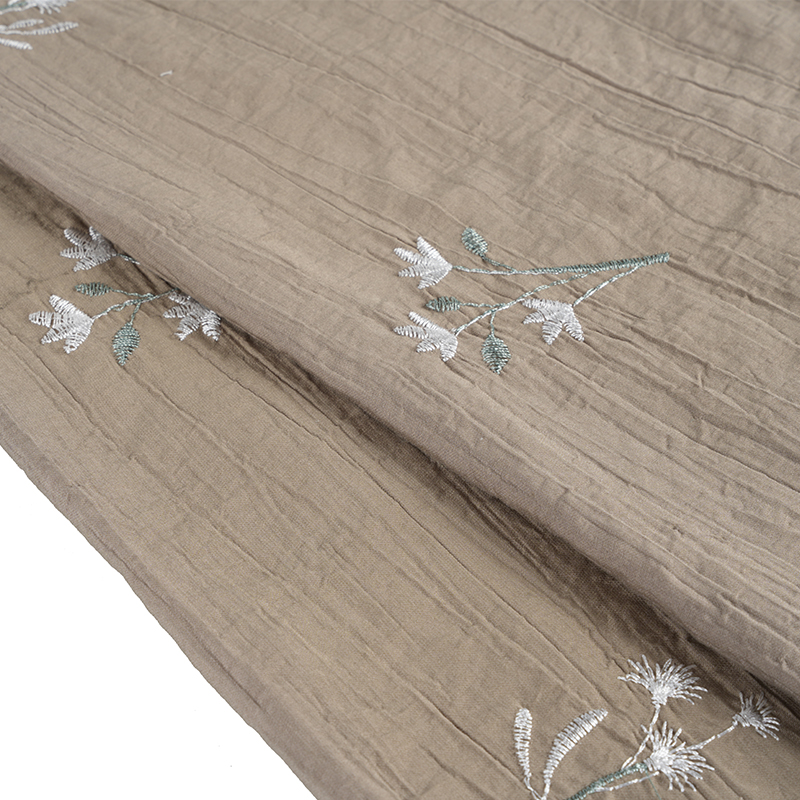
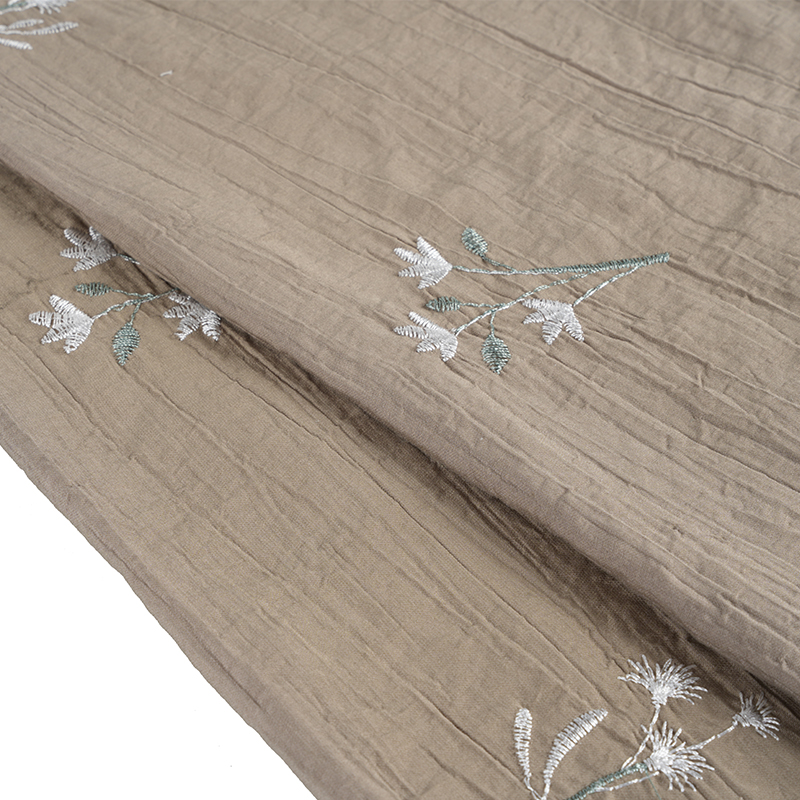
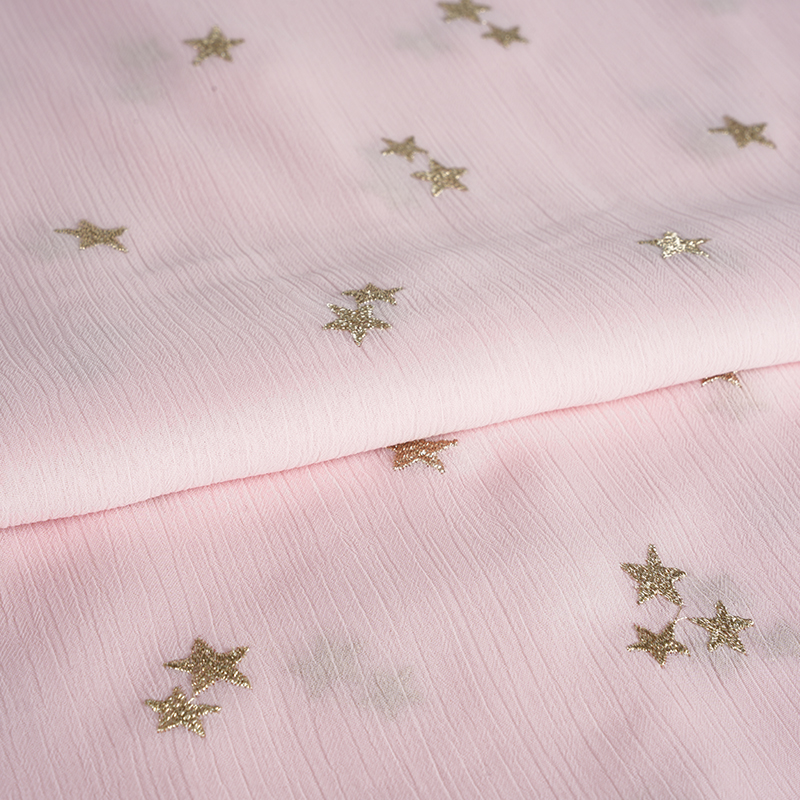
刺繍生地 refers to fabrics with various patterns, text, designs, or decorative elements applied to their surface using hand or machine embroidery techniques, creating a decorative and artistic fabric.刺繍は単純な線の装飾に限定されません。 it can also create three-dimensional effects or unique tactile qualities through the use of various stitches and materials (such as gold and silver thread, beads, and sequins).
刺繍生地の最大の特徴は、通常の生地とは異なり、表面に施された緻密な装飾です。 Ordinary fabrics are typically woven or knitted, while embroidered fabrics incorporate embroidered patterns on the fabric itself, enhancing its visual impact and artistic value.刺繍は単なる装飾的なものではありません。また、布地の質感や構造を変えることもあります。
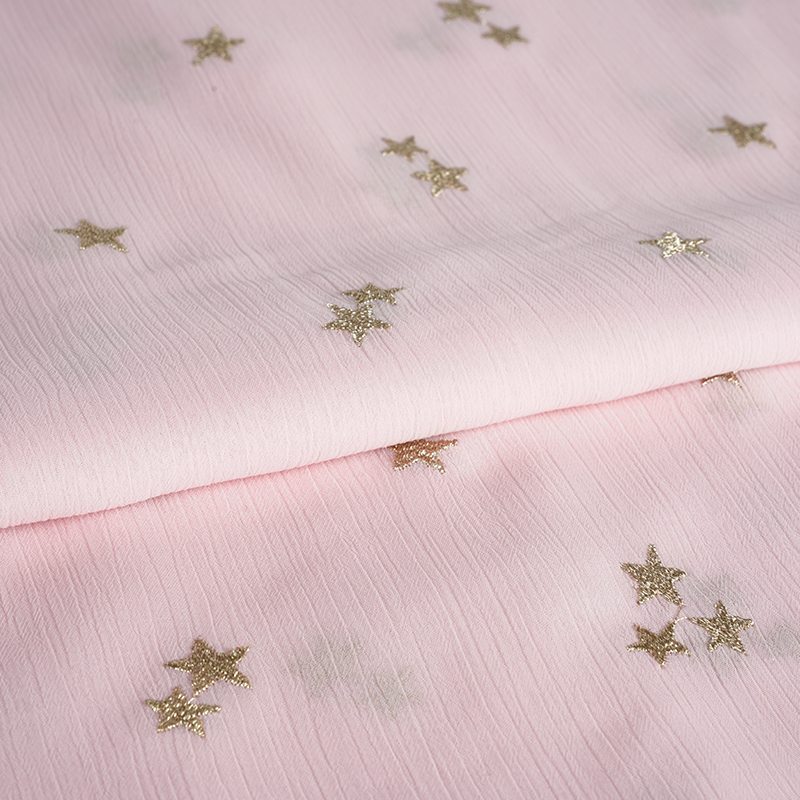
刺繍生地は通常、綿、シルク、ポリエステル、ナイロン、ウールなどの天然繊維または合成繊維で作られています。刺繍の要件に基づいて、適切なベース生地が選択されます。たとえば、シルクの刺繍生地は柔らかく光沢があり、綿の刺繍生地はより快適で耐久性があります。刺繍で一般的に使用される刺繍糸には、絹糸、綿糸、金属糸、スパンコール糸などがあり、さまざまな装飾効果を生み出します。
Decorative Value: The most prominent feature of embroidered fabrics is their decorative qualities, enhancing their visual appeal through intricate patterns or designs.
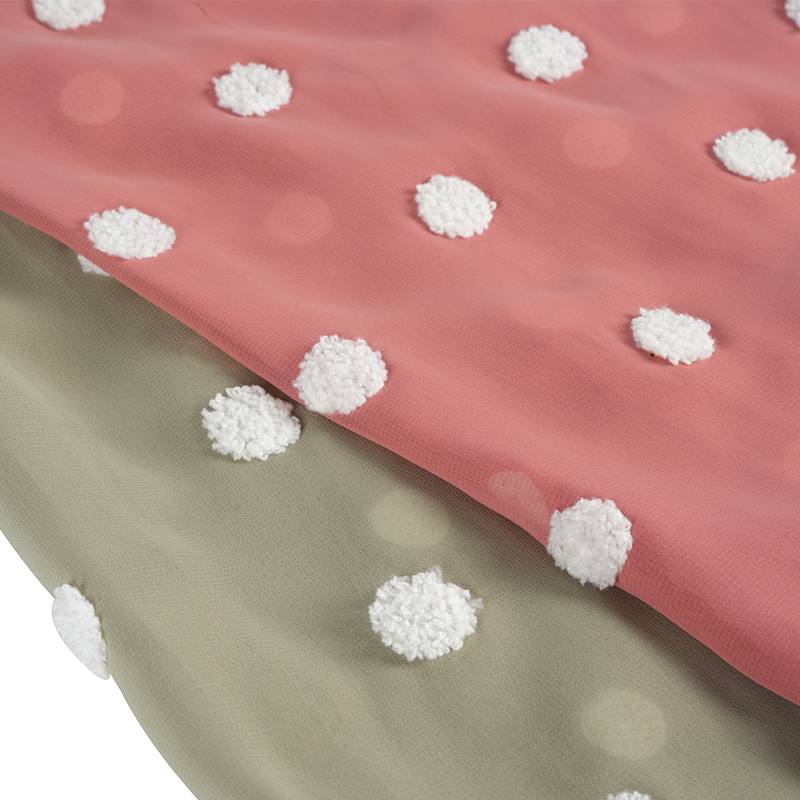
独特の質感: 刺繍の重さや構造の変化により生地の質感が変化し、立体感や触感が加わります。
Variety and Flexibility: Embroidered fabrics can be crafted using a variety of materials, colors, and embroidery techniques to achieve a variety of effects, depending on design requirements.
Luxury: Embroidered fabrics often appear sophisticated and high-end, and are often used in haute couture, wedding dresses, and other luxury products.
Embroidered Fabric Production Process
The production process for embroidered fabrics involves multiple stages, requiring rigorous control at every step, from material selection to the final product. Yongjun Textile は、最終製品の高品質を保証するために、刺繍生地の製造プロセスのあらゆる段階を厳密に遵守します。
1. Fabric Preparation: Yongjun Textile uses high-quality base fabrics, such as polyester, polyester-cotton blends, and nylon, which form the foundation for embroidery designs.同社は、多様な刺繍スタイルに合わせて、無地、サテン、ツイルなどのさまざまな種類の生地を提供することに特化しています。
2. 刺繍デザインとパターン作成: Yongjun Textile は、高度なデザイン ソフトウェアを使用してカスタマイズされた刺繍デザイン サービスを提供します。 Leveraging its strong R&D capabilities, the company can quickly respond to market demands and provide innovative and precise embroidery patterns. This stage emphasizes detail and artistry, ensuring that the embroidery designs meet customer requirements while maintaining high visual quality.
3. Embroidery Execution: Yongjun Textile utilizes modern automated embroidery equipment for production, which can precisely perform complex embroidery tasks and ensure consistent quality even in large-scale production. Yongjun Textile also incorporates hand embroidery techniques into its machine embroidery process, placing particular emphasis on detail and quality, particularly on high-end custom products.
4.仕上げと仕上げ:刺繍が完了すると、生地は仕上げ段階に入ります。 This process involves cleaning excess thread, removing impurities from the embroidered fabric, and pre-treating the finished product to ensure the fabric's optimal appearance and feel.
手刺繍: Yongjun Textile は、ハイエンドのカスタム製品を製作する際に、手刺繍の職人技に特に重点を置いています。手刺繍はより高いレベルの芸術的価値を示し、高級ファッション、ブライダルウェア、またはパーソナライズされたカスタム製品に適しています。 The greatest advantage of hand embroidery is that it can be fine-tuned to the customer's specifications, creating a unique visual effect and a high-end custom style.
機械刺繍: 機械刺繍は生産効率が高く、特に大規模生産に適しています。 Yongjun Textile utilizes advanced embroidery machines capable of efficient, high-precision embroidery, ensuring consistent and accurate patterns.機械刺繍は、従来型の大量のアパレル生地やインテリア生地によく使用されます。
Functional Finishes: Treatments such as water-repellent, UV-resistant, and antibacterial finishes enhance the durability and comfort of embroidered fabrics during use.たとえば、スポーツウェアやアウトドアアパレルでは、撥水加工や耐紫外線加工が特に重要です。 Heat Pressing and Embossing: In certain designs, Yongjun Textile utilizes techniques such as heat pressing and embossing to add rich texture and three-dimensional effects to embroidered fabrics.
Sequin and Beading: For high-end fashion fabrics, Yongjun Textile adds decorative elements such as sequins and beads to enhance the visual richness and depth of embroidery.
正確な色管理は、刺繍生地の製造において重要なステップです。 Yongjun Textile strictly controls color matching and pattern design during the production process to ensure consistent color from batch to batch.複雑な刺繍パターンの場合、正確なカラーマッチングにより、製品の芸術的魅力と市場での魅力を高めることができます。
Color Management: Yongjun Textile uses high-quality dyes and embroidery threads, and performs color fastness testing to ensure that colors resist fading after washing or sunlight exposure.
密度制御:刺繍パターンの密度を最適化することで、Yongjun Textile は刺繍生地の柔らかさと快適さを保証します。密度が高すぎると硬さが生じる可能性があり、密度が低すぎるとパターンがぼやけ、全体的な効果が損なわれる可能性があります。したがって、適切な密度設計は製品の品質にとって非常に重要です。
専門の繊維会社として、Yongjun Textile は生産プロセス全体にわたる品質管理に重点を置いています。 From raw material procurement to production and processing, product testing, and after-sales service, the company maintains strict control at every stage.
Raw Material Inspection: Starting from the procurement stage, Yongjun Textile conducts rigorous quality inspections on all fabrics and embroidery threads to ensure that the raw materials meet industry standards.
Production Process Monitoring: Through fully digitalized production management, we ensure that the embroidery pattern, color, and density of each piece of fabric meet the predetermined design requirements.
Post-Testing: After embroidery, the fabric undergoes rigorous durability, colorfastness, and functionality testing to ensure the finished product performs well in the market.
刺繍生地の耐久性とメンテナンス要件
The durability of embroidered fabrics is affected by many factors, including the base material, the quality of the embroidery thread, and the level of craftsmanship.高品質のベース生地と高級刺繍糸 (シルク糸や金属糸など) を使用すると、生地の耐久性を効果的に高めることができます。 Fabrics with fine embroidery generally offer good durability under normal use, but the embroidery may be damaged if subjected to excessive friction or harsh conditions.
Embroidered fabrics are particularly susceptible to external factors, which can cause fading, thread unraveling, or damage to the embroidery pattern.これは、明るい染料の糸 (明るい色のシルクなど) を使用する場合に特に当てはまります。 Therefore, high-quality dyes and embroidery threads should be selected during the production process, and rigorous color fastness testing should be performed afterward.
Hand Washing vs. Machine Washing: Embroidered fabrics are generally hand-washed to minimize friction and damage to the embroidery caused by the washing machine.洗濯機で洗う必要がある場合は、保護のために洗濯ネットを使用し、低温で洗ってください。
Dry Cleaning: For high-end embroidered fabrics, especially wedding dresses or intricately designed garments, dry cleaning is recommended to protect the embroidery.
日光への暴露を避ける:糸の色褪せを防ぐため、刺繍生地は直射日光の当たる場所に干してください。 Regular Inspection and Repair: Due to the special nature of embroidered fabrics, regularly inspect the thread and embroidery for integrity and perform timely repairs to maintain the overall quality of the fabric.
刺繍生地は、摩擦、洗濯、日光など、日常使用中にさまざまなストレスにさらされます。そのため、耐摩耗性の低い刺繍生地は、長期間使用すると糸のほつれや摩耗が発生する可能性があります。耐久性を高めるには、通常、定期的なメンテナンスが必要であり、過度の摩擦や粗い表面との接触は避けてください。



 +86-81163100 / +86-13957571090
 中国浙江省紹興市柯橋金克橋大道1388号万国センターB12148号室